The Iowa Soybean Research Center (ISRC) is entering a new chapter with a renewed focus on collaboration, innovation, and outreach. Dr. Mark Licht, a cropping systems specialist at Iowa State University, has stepped into the co-director role alongside Dr. Steve Whitham. With a strong background in agronomy, extension work, and industry engagement, Mark brings a fresh perspective to the center’s leadership.
For Mark, the role is both a new challenge and a learning opportunity. “It gives me a chance to better understand the administrative side of things,” he says. “And honestly, to see if it’s something I enjoy.” His curiosity is paired with a clear goal: connecting research with real-world agricultural needs. “I really like working with industry to support research. Through the center, I can help identify what’s needed and find funding to make it happen.”
Taking on this leadership position has meant adjusting his teaching and extension work—areas he still values deeply. He sees the transition as a way to scale his outreach. “Even though it’s a research center, we can’t just focus on data without translating it for farmers and industry professionals,” he explains. His goal is to make sure the center’s research not only advances knowledge but also delivers practical impact.
His approach remains rooted in systems thinking—balancing productivity, profitability, and environmental sustainability. “That’s been a cornerstone of my work, and I want to bring that to the center,” he says. While he won’t single-handedly direct the research agenda, he believes in fostering conversations and partnerships that reflect those values. “Getting the right people involved early helps ensure we’re focusing on what really matters.”
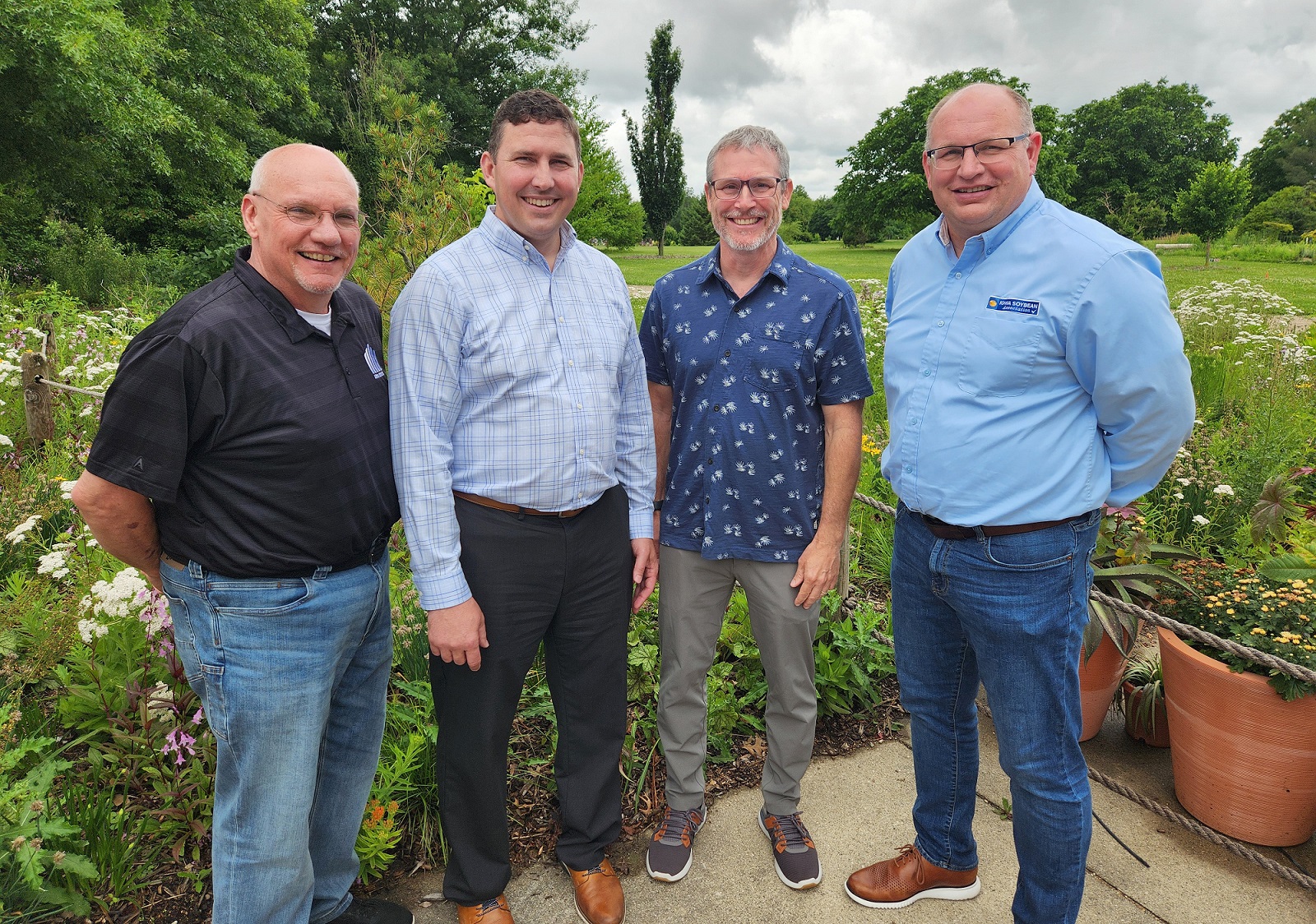
Mark is grateful to be navigating this transition with support from the outgoing director, who remains ISRC director through the end of the year. “It’s a great environment,” he says. “We’re learning how the center operates and building relationships to carry it forward.”
His work with the national Science for Success initiative has also influenced his thinking. “It’s shown me the power of multi-state research,” he says. “You really see the differences when comparing things like planting dates in North Carolina versus Iowa. It broadens your view.” The initiative has also changed how he approaches communication. “We’ve had to shift to shorter formats—infographics, sound bites. That’s where Science for Success has really helped us adapt.”
Collaboration remains a major focus. “I’ve always believed in interdisciplinary work,” he says. “I need to be talking with soil health and fertility experts—there’s no way to stay up-to-date on everything alone.” These partnerships are key to advancing soybean research in a more integrated and effective way.
Looking ahead, Mark is especially excited to work with new faculty. “They bring energy, new ideas, and fresh perspectives. Even if things don’t always work out, it sparks thinking in new directions.” He also sees potential for stronger coordination among state-based research centers. “Science for Success proved that multi-state collaboration works. We should look into doing more of that across other state centers.”
As the ISRC moves forward, Mark’s focus is clear: build on the strong foundation, strengthen partnerships, and keep research grounded in real-world impact for soybean growers.