
Defining Excellence in Extension
This document defines excellence for Extension appointed faculty, or otherwise defined as faculty within campus departments that have a partial appointment in Extension. The purpose of the criteria in this document is to provide guidance on the responsibilities to the Extension mission for:
- Hiring
- Mentoring
- Professional development
- Professional Planning
- Promotion and tenure decisions
- Post-tenure evaluation

The priorities and specific goals of your program should be appropriate for the stakeholders that your program seeks to serve and the department in which you are a faculty member. They should also be in alignment with the mission, vision, and values of your College. This document is simply a tool to help mentor and guide pre- and post-tenured faculty that contribute to our Science for Success team. Expectations for the percentage of the appointment funded by other means should align with other policies, including your institutional teaching load policy
Applied Research
Extension-funded faculty should engage in applied research to support their Extension programs. Activities indicative of excellence include:
- Ability to identify and conduct research that solves both current and forward-projecting problems of importance to your state and its residents
- Adaptation of research activities to address emerging needs and issues
- Engagement of public or private partners, stakeholders, communities, and/or county-based colleagues in research activities
- Synthesize research activities into a cohesive body of work that accurately reflects and documents the impact of your efforts
- Development of a well-funded research program from internal and external sources
- Publication of original, applied-research articles in a timely manner in peer-reviewed publications
Extension Education
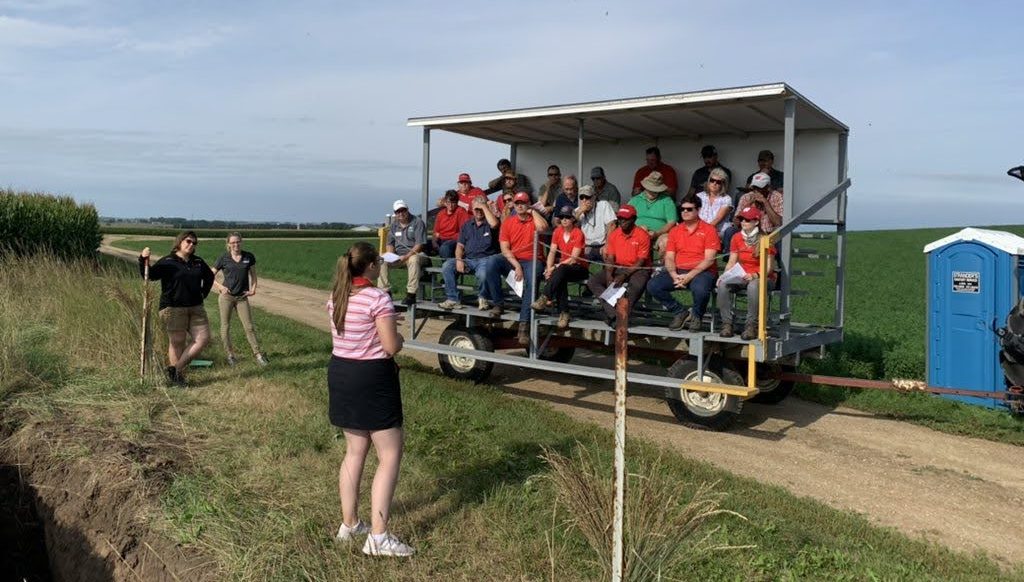
Extension faculty should identify educational needs and translate the results of their research, and the research of others, into coherent, diversified educational programs to meet these documented educational needs. Extension faculty must recognize that their clientele is diverse in the ways they want to receive information and therefore a multifaceted approach to information delivery must be taken. Activities indicative of excellence include:
- Engagement with Extension program managers and affiliates and external stakeholders in identifying educational needs, designing educational programs, and participating at in-person events
- Integration of research results into Extension educational programs on issues identified as needs of the state and its residents and ensuring that research results are disseminated in a metabolizable way
- Leadership in programs that are sustained by a variety of external and internal resources
- Development of educational activities to address emerging needs and issues
- Communication and presentation of important and timely, evidence-based information in languages and formats that are accessible and useful for the citizens and communities of your state
- Websites
- Blogs
- Audio-Visual Materials
- Fact sheets
- Books or Handbooks
- Social Media
- Digital Software
- Online Courses
- Podcasts
- YouTube Videos
- Newsletters
Significant Impact
Extension faculty should document and communicate the impact of their Extension programs. Activities indicative of excellence include:
- Development, authorship, and review of materials directed at diverse Extension audiences. This can include:
- Engagement in the evaluation of Extension programs in order to demonstrate impact and value
- Leadership in the effective communication of the value and impact of Extension programs to Extension clientele and the general public, as well as in the Extension reporting system
Extension faculty should demonstrate commitment to the mission, vision, and values of your department, college, state and its residents. Activities indicative of excellence include:

Demonstration of effective, timely, and responsive interaction with Extension colleagues, partners, and stakeholders.

Leadership in service to a department, unit, or program area and in addressing priority needs of its residents.

Service to your academic field through leadership and support of professional organizations, stakeholder groups, governmental agencies and/or decisionmaking bodies, non- profit boards, etc.
This guide was developed by the Science for Success Mentorship Committee in 2024.