Key Points:
- Proximity to a wood line and appearance of deer tracks and droppings can help identify if soybean damage is from deer.
- A soybean plant cannot recover if the cotyledon has been damaged.
- Make sure that replanting is necessary before acting – soybeans are resilient!
If it seems like there should be more soybean plants in the field by now, the problem may be due to deer damage instead of an emergence issue. Luckily, there are definitive and easy ways to identify whether your soybean seedlings have been damaged by deer. If deer are the cause, take steps to assess whether or not you need to replant before jumping into action.
Identifying Deer Damage
Early Planted Soybean Near Wood Lines
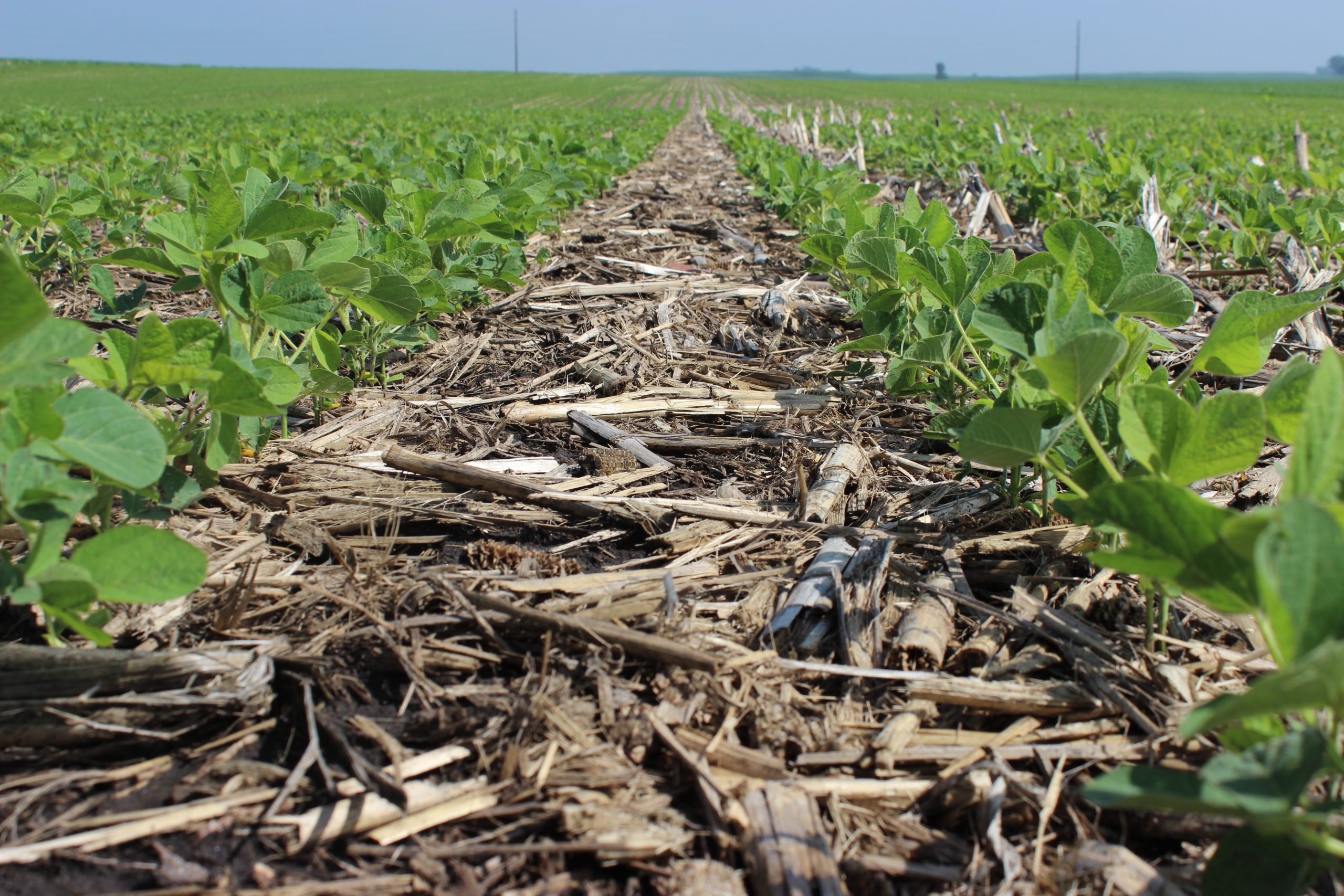
Early-planted soybeans near wood lines are the most susceptible to deer damage (Figure 1). Early planted soybeans are tender and palatable to deer in the spring when there may be insufficient food for them in the woods. Proximity to areas where deer frequent also increases the likelihood of damage.
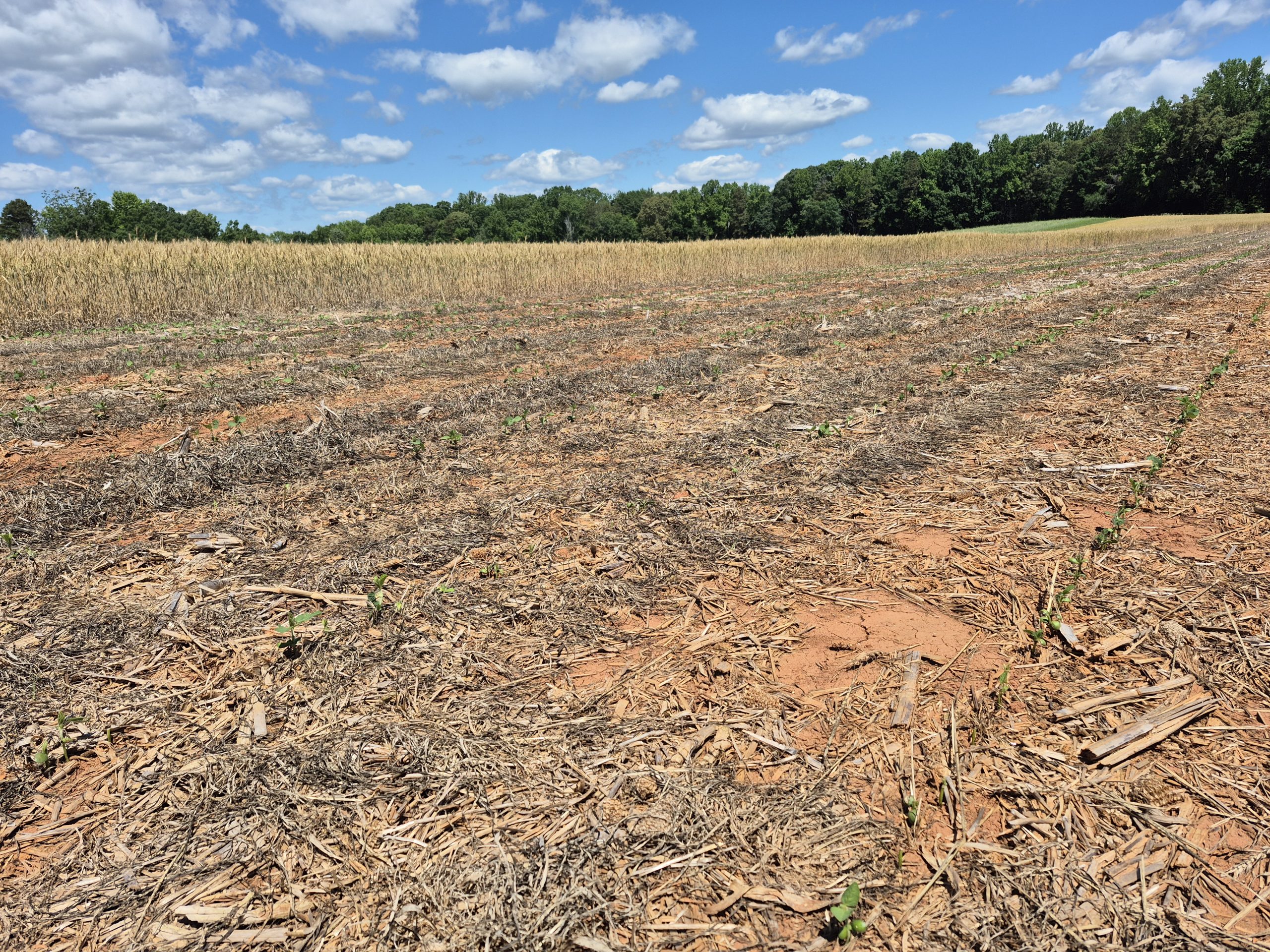
Figure 1. A field of soybeans near a wooded area showing signs of deer damage.
Deer Tracks and Droppings
The first and most obvious sign that deer have been feeding on your soybean crop is the appearance of tracks and/or droppings (Figure 2). Wherever deer feed heavily, they will deposit droppings. If there are no deer tracks or droppings visible in the field, the problem may be due to something else such as an insect pest or a seed germination issue.
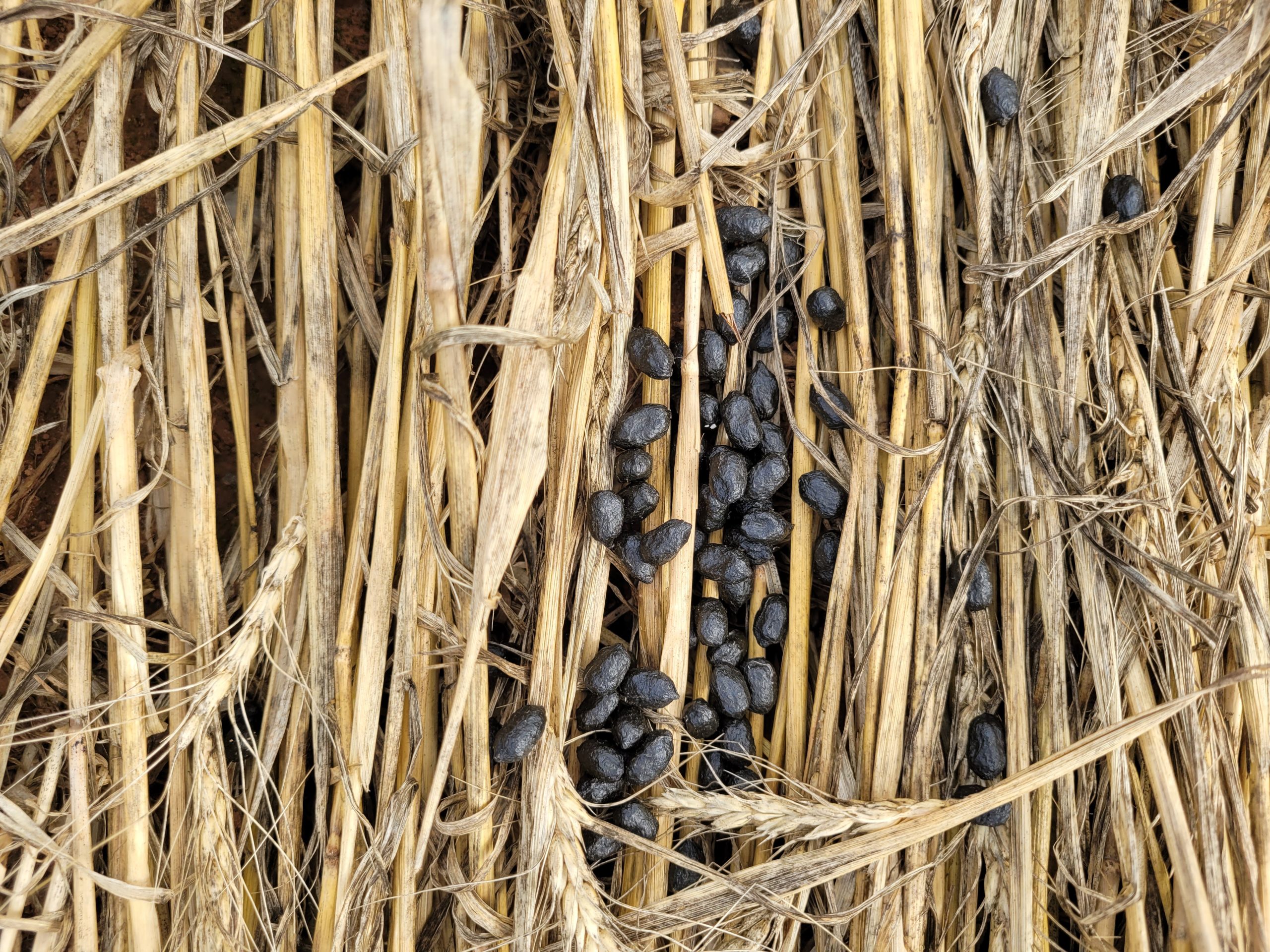 Figure 2. Deer droppings in a field.
Seedling Stems Without Cotyledons
If there are three- to six-foot sections within a row that appear to be missing plants (Figure 3), examine the seedlings closely to see if the stems of the seedlings have been bitten off by browsing deer (Figure 4). In a no-till field, these stems can easily be hidden by residue.
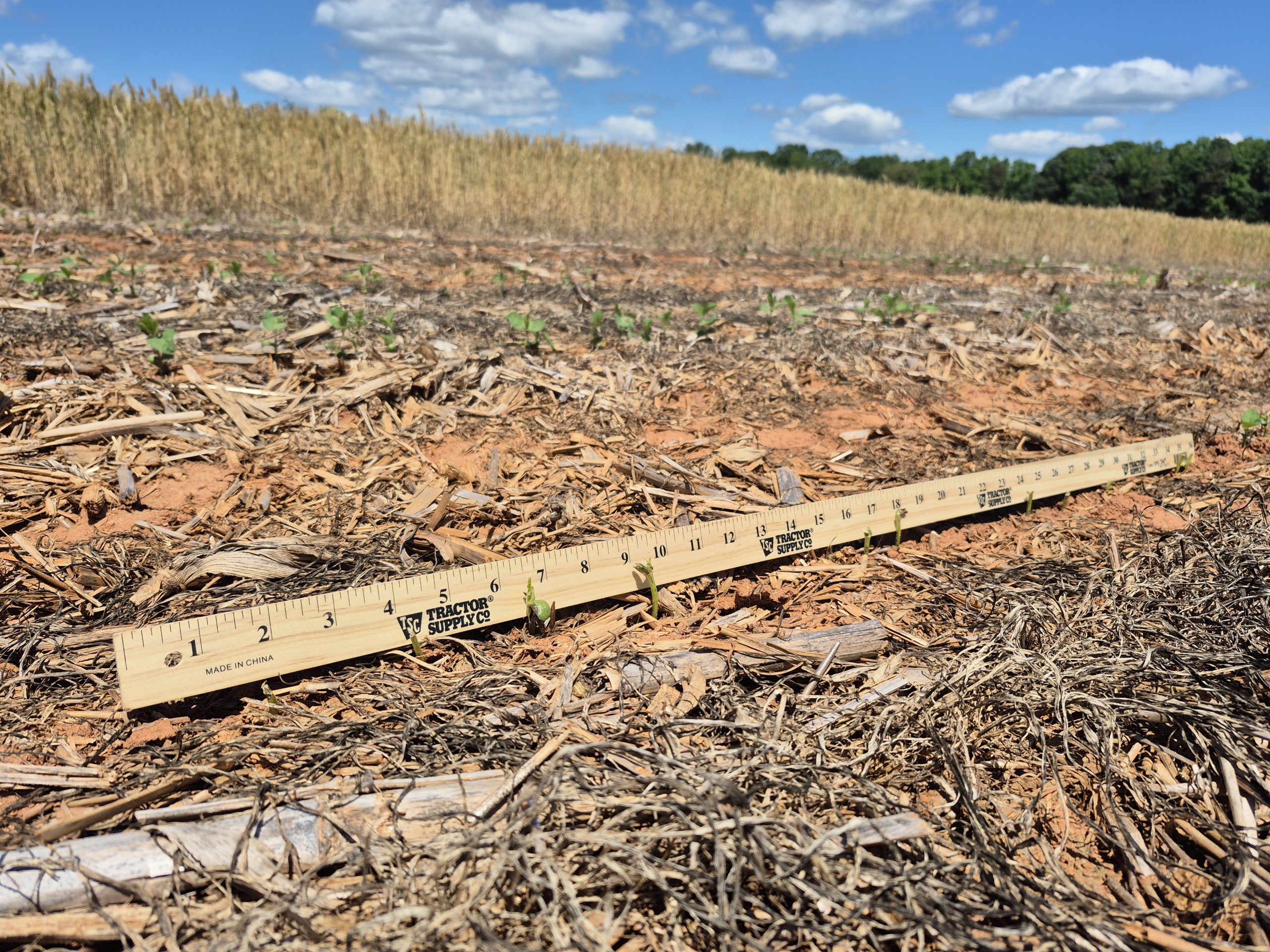 Figure 3. A row of soybean seedlings with several missing.
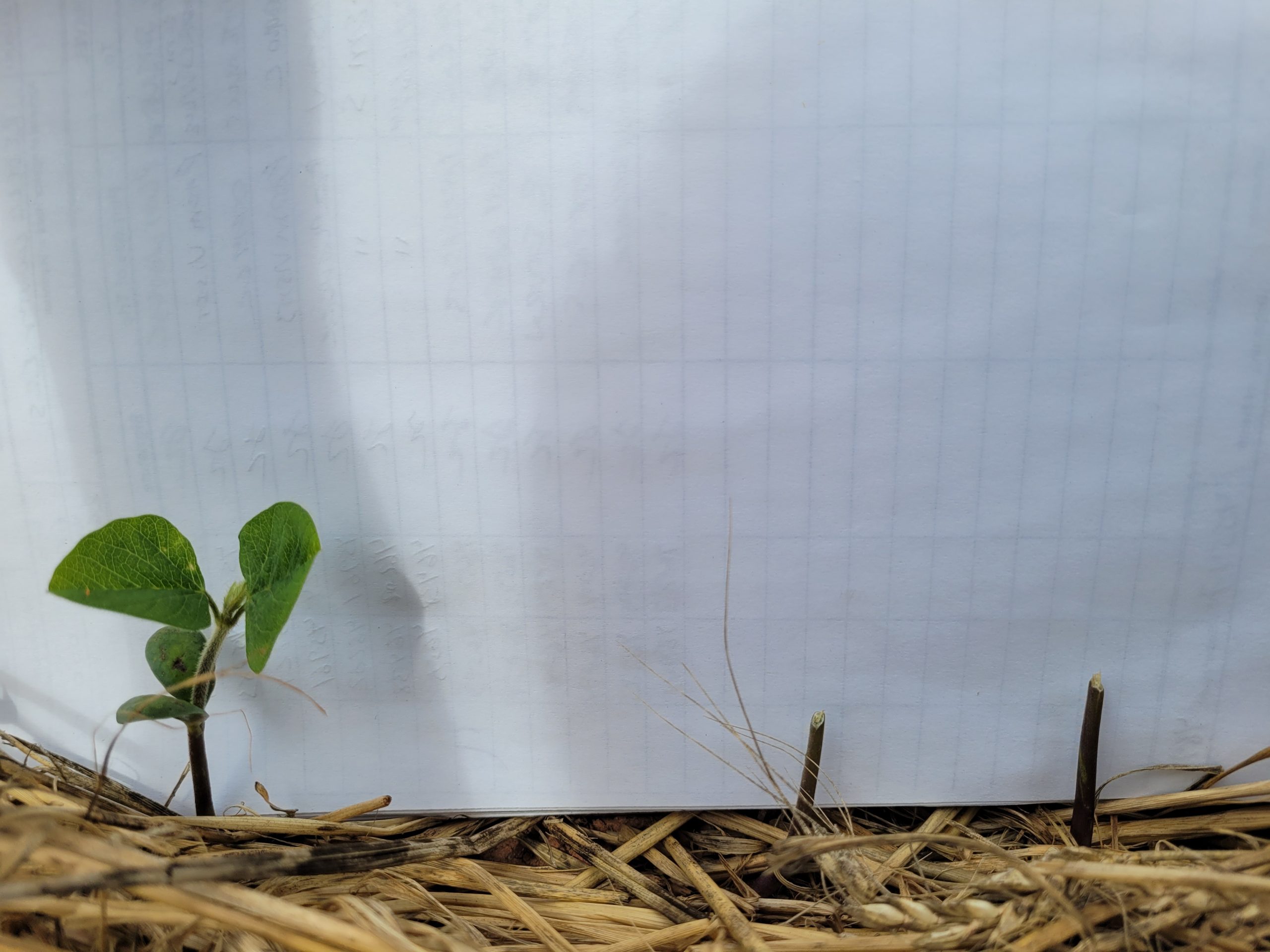 Figure 4. A healthy soybean seedling (left), compared to two soybean seedlings that have had the cotyledons and leaves bitten off by deer (right).
Will My Soybeans Recover?
No – Cotyledons Damaged or Removed
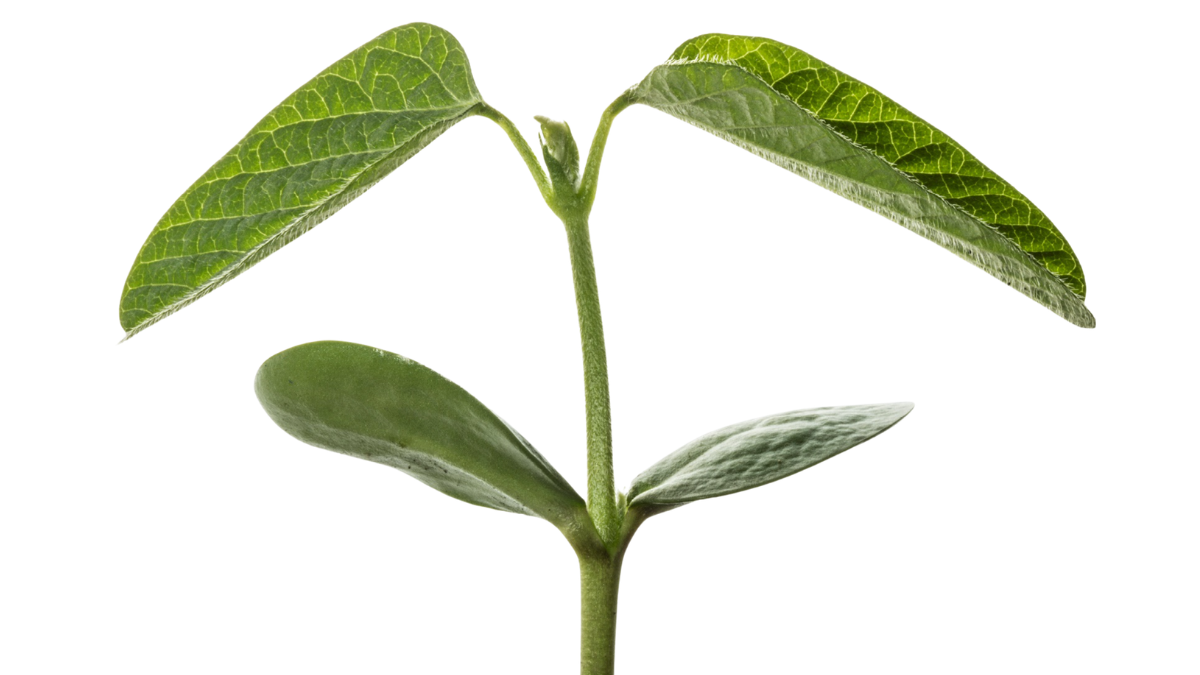
Once the cotyledons have been removed from a soybean seedling, the plant will not recover because the growing point is in between the cotyledons. The plant cannot recover if the growing point is damaged (Figure 5).
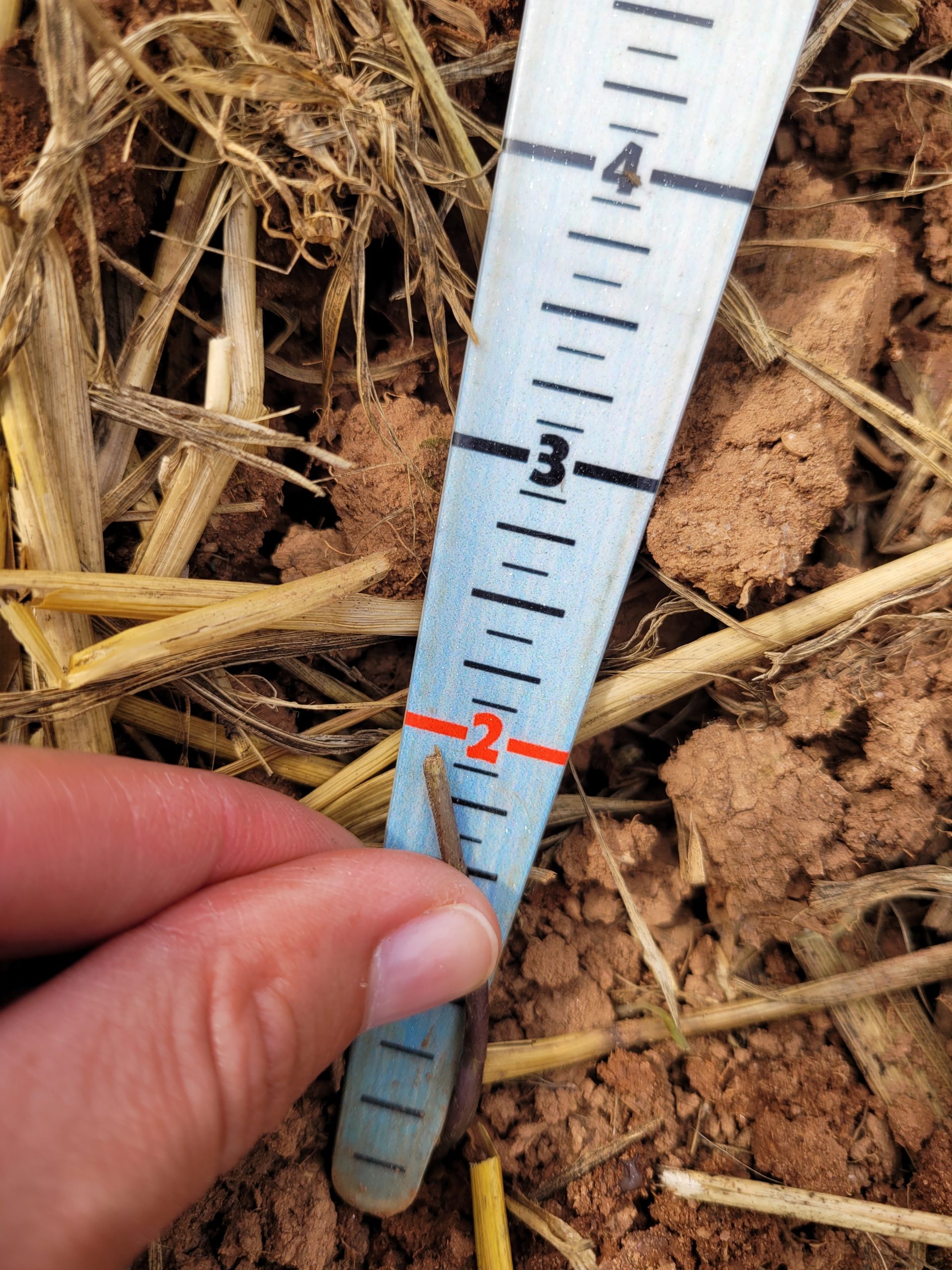 Figure 5. A soybean stem with the cotyledon removed.
Yes – Cotyledons and Growing Point Intact
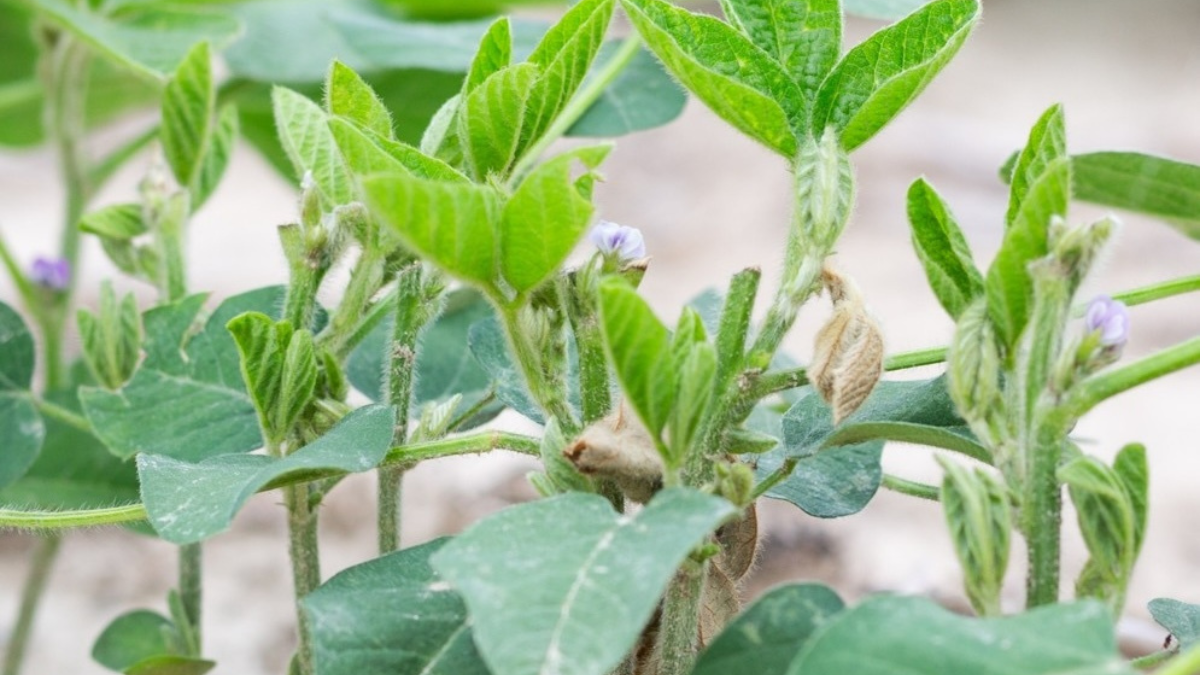
If the upper part of the plant is damaged, but the growing point is intact (Figure 6), the plant will branch. Branching can potentially compensate for the original damage.
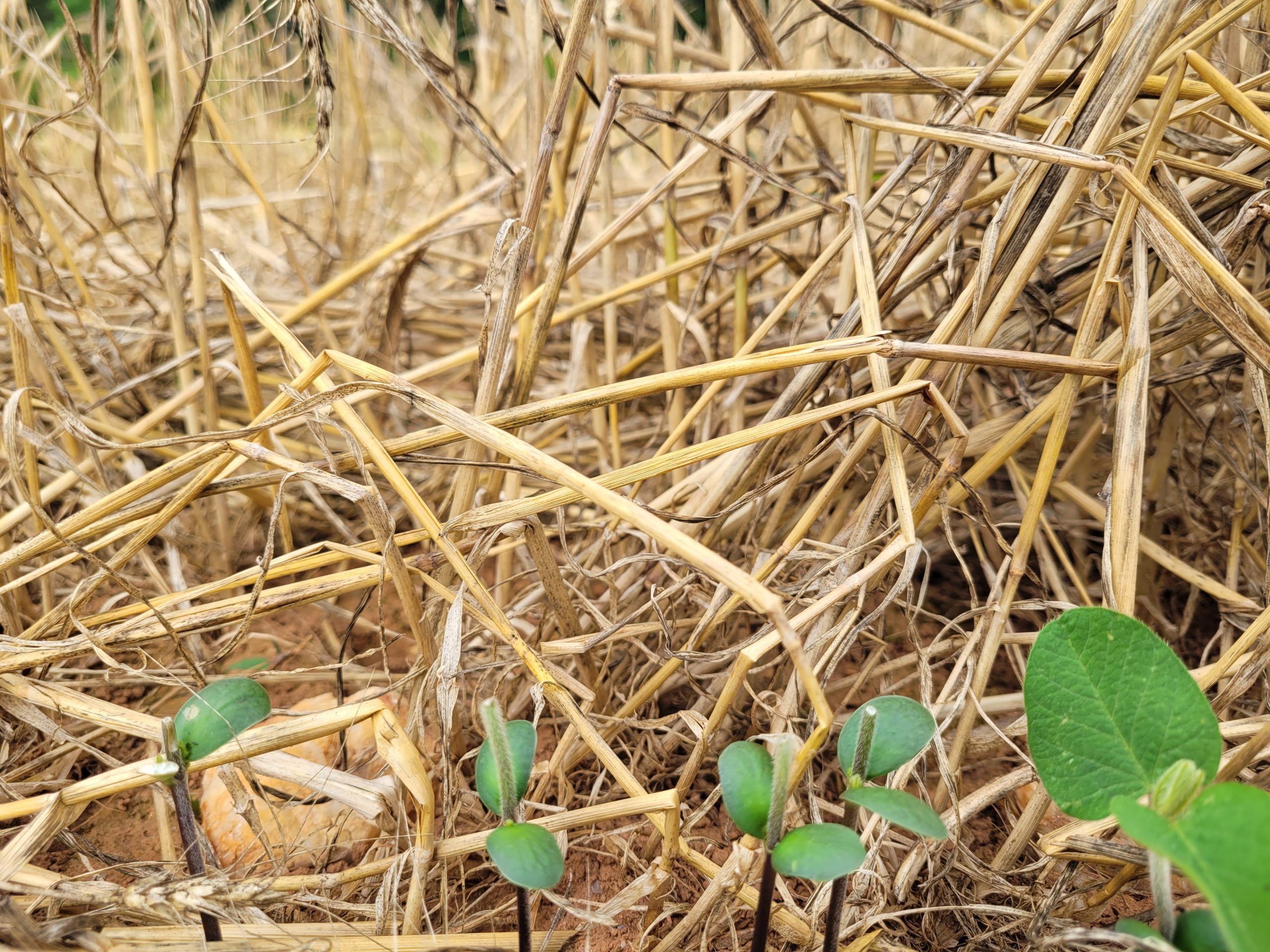 Figure 6. Soybeans with the upper leaves removed, but the cotyledons intact.
Next Steps
Soybeans have an amazing ability to recover from deer damage. They will often branch and compensate for missing plants as long as the growing point is not damaged. In severe cases in smaller fields, and if the optimal planting window is open, it may be beneficial to replant or repair-plant. In most cases, the damage will be limited to field edges, which may somewhat reduce overall yield, though the majority of the crop will recover.
Learn More: Check out our factsheet to determine if replanting is necessary. For more information on deer management listen to this Extension podcast on “Deer, Damage and Deterrents.”
Author: Jenny Carleo, North Carolina State University
A version of this web blog has appeared on the NC State Soybean Extension portal.