Key Points
- Soybean lodging can result from environmental conditions, variety characteristics, pests, and agronomic management.
- Lodging can reduce yield and increase harvest losses
- Optimizing seeding rates, managing pests and diseases, ensuring appropriate agronomic practices, and harvesting lodged fields promptly can help minimize losses.
Soybean Lodging: Causes, Yield Losses, and Management
Soybean lodging occurs when plants bend or break and lean toward the ground rather than remaining upright (Figure 1). While some lodging may have little effect on yield, severe or early lodging can make harvest more difficult and increase the potential for yield loss. Understanding what causes lodging and how to recognize it can help you make better management and harvest decisions.
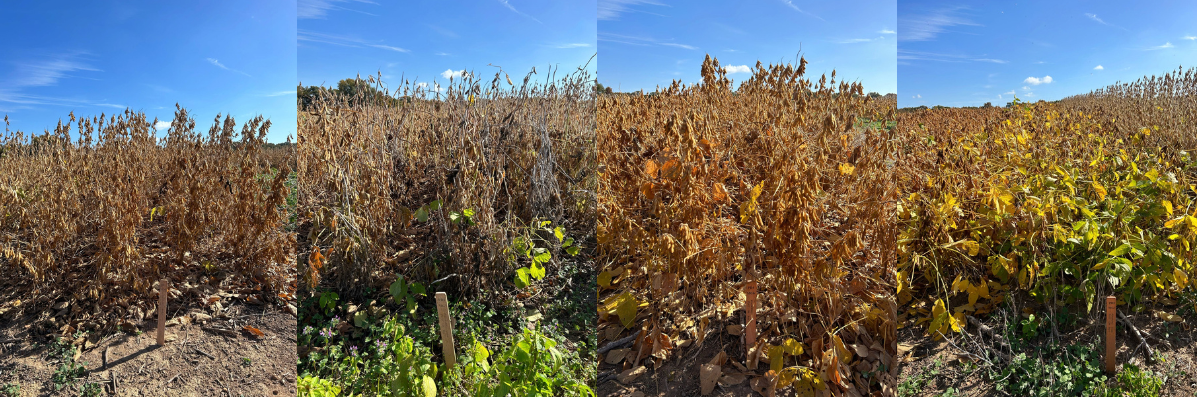
Figure 1. Soybean plots with varying degrees of lodging.
What Causes Soybean Lodging?
Soybean lodging can result from a combination of environmental, genetic, pest, and agronomic management factors.
Weather is one of the most obvious contributors. Strong winds, heavy rainfall, and saturated soils can push plants over, especially when plants have developed a tall or dense canopy. Hail can also injure stems and increase the risk of lodging later in the season.1
Genetics also play an important role. Soybean varieties differ in characteristics such as plant height and lodging resistance. Crop management can also influence lodging. Excessively dense stands may increase competition among plants for light and contribute to taller plants. Earlier planting dates can sometimes lead to taller plants, and excessive fertilization has been shown to impact lodging.
Earlier planting dates can sometimes lead to taller plants, and excessive fertilization has been shown to impact lodging.
Pests and diseases can weaken soybean stems. For example, stem borer larvae tunnel inside soybean stems and can increase the risk of stem breakage as plants mature.2 White mold, or Sclerotinia stem rot, can also weaken stems and cause plants to lodge under favorable conditions.3
Why Does Lodging Matter?
The impact of lodging depends on how severe it is and when it occurs. Lodged plants can change the structure of the soybean canopy and increase shading among leaves. Harvest losses are another major concern. When plants fall toward the ground, pods can become difficult for the combine header to reach. More pods may be left behind, particularly when lodged plants are close to the soil surface.
Research and Extension observations indicate that lodging can increase harvest losses, although the amount varies depending on lodging severity, timing, variety, and harvest conditions. University of Illinois Extension reports that historical studies have found approximately 3% to 10% harvest losses in lodged soybean fields.4
How Can Soybean Lodging Be Prevented?
There is no single solution to soybean lodging, but several practices can reduce risk.
- Optimize seeding rates. Avoid unnecessarily high plant populations that can encourage competition and excessive plant height. Follow recommended seeding rates based on the variety and local growing conditions.
- Maintain balanced fertility. Base fertility decisions on soil tests and crop requirements. Managing nutrients for healthy crop development rather than excessive vegetative growth can help maintain an appropriate canopy.
- Manage pests and diseases. Fields with a history of white mold or stem borer may require particular attention.2,3
- Consider field conditions. Poor drainage and saturated soils can increase stress on plants and contribute to lodging under severe weather conditions.5 Addressing recurring field-level problems where feasible can reduce risk over time.
Managing a Lodged Field at Harvest
Once lodging occurs, the focus shifts from prevention to minimizing additional losses.
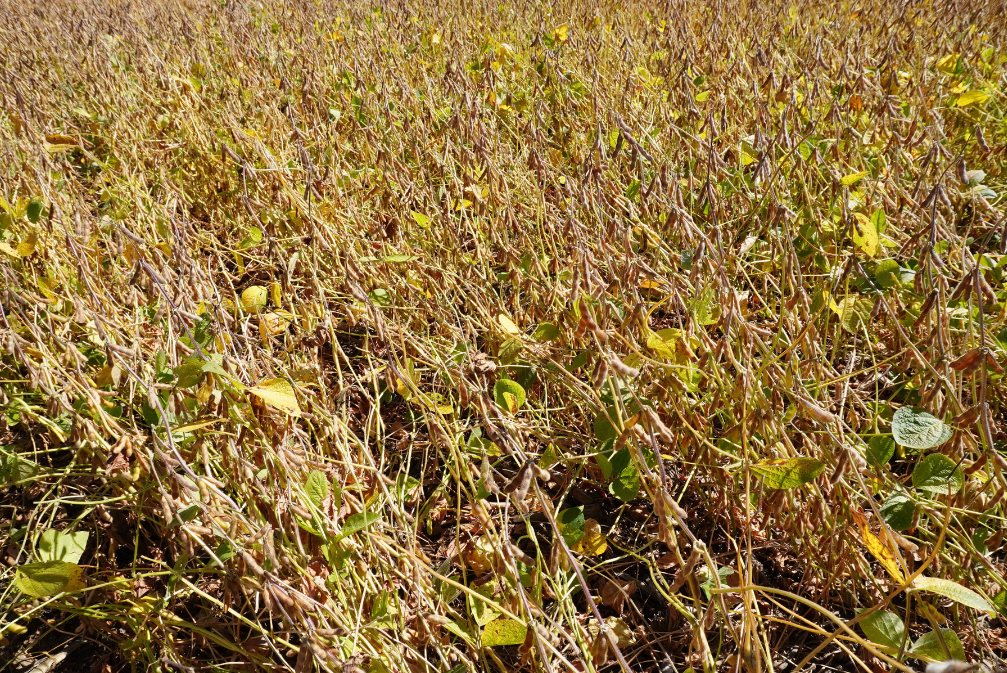
Severely lodged fields may need to be prioritized when harvest conditions are appropriate. Combine and header settings can be adjusted to improve the capture of low-hanging pods and plants. Depending on the equipment and field conditions, adjustments to header height, ground speed, reel or pickup settings, and other operating parameters may help improve harvest efficiency.1
Timely harvest is particularly important in lodged fields. As plants remain on the ground, they may become increasingly difficult to pick up, while weathering can increase the potential for additional pod and seed losses.4
Planning Ahead
Soybean lodging is influenced by the interaction of genetics, environment, crop management, pests, and diseases. While farmers cannot control every factor, especially late-season weather, they can reduce risk through thoughtful variety selection, appropriate seeding rates, balanced fertility, and timely pest and disease management.
By identifying lodging risks early and planning accordingly, farmers can help keep more soybeans standing through harvest and reduce avoidable yield losses.
Authors:
Sagnika Das and Rachel Vann, University of Illinois Urbana-Champaign
References:
1Coulter, J., Naeve, S., & Nicolai, D. (2018). Hail damage to soybean crops. University of Minnesota Extension. https://extension.umn.edu/growing-soybean/hail-damage-soybean-crops
2Seiter, N. (2019, September 10). Insect monitoring in soybeans: What to look for during pod fill. University of Illinois Extension. https://extension.illinois.edu/news-releases/insect-monitoring-soybeans-what-look-during-pod-fill
3Smith, D., Bradley, C., Chilvers, M., Faske, T., Malvick, D., Mangel, D., Mueller, D., Sisson, A., Webster, R. W., Wise, K., & Tenuta, A. (2026). An Overview of White Mold. Crop Protection Network. doi.org/10.31274/cpn-20190620-030
4Gucker, D. B. (2016, September 13). Pay attention to lodged soybean fields. University of Illinois Extension. https://extension.illinois.edu/blogs/acres-knowledge/2016-09-13-pay-attention-lodged-soybean-fields
5University of Minnesota Extension. (n.d.). Growing soybean in Minnesota: Soybean harvest and storage. https://extension.umn.edu/soybean/soybean-harvest-and-storage