Cover crops have long been recognized for their benefits in sustainable agriculture, offering improved soil health, weed suppression, and erosion control. Among them, cereal rye is widely used in corn-soybean rotations across the Midwest. However, one crucial question remains: When should cereal rye be terminated to optimize soybean yield? A comprehensive study across multiple states sought to answer this, providing valuable insights for farmers looking to balance cover crop advantages with soybean production efficiency.

Key Findings on Cereal Rye and Soybean Yield
The research examined the effects of two termination timings—before soybean planting and at soybean planting—on soybean yield across 28 location-years in Illinois, Nebraska, Ohio, South Dakota, and Wisconsin. Here are the major takeaways:
Minimal Impact on Yield
The study found that termination timing had little to no effect on soybean seed yield. Across nearly all locations, there was no significant difference between terminating cereal rye before or at soybean planting. This indicates that farmers can terminate cereal rye according to their operational needs rather than worrying about yield loss.
Rye Biomass Accumulation
Termination timing did impact cereal rye biomass accumulation. When terminated at soybean planting, cereal rye produced significantly more biomass compared to termination before planting. While higher biomass has the potential to enhance soil conservation and weed suppression, it did not translate to improved soybean yields in this study.
Long-Term Benefits of Cereal Rye
Despite the lack of short-term yield advantages, cereal rye remains a valuable cover crop. It plays an essential role in reducing soil erosion, improving soil structure, and contributing to overall ecosystem services. Farmers should consider these long-term benefits when integrating cereal rye into their cropping systems.
Key Findings on Cereal Rye and Soybean Yield
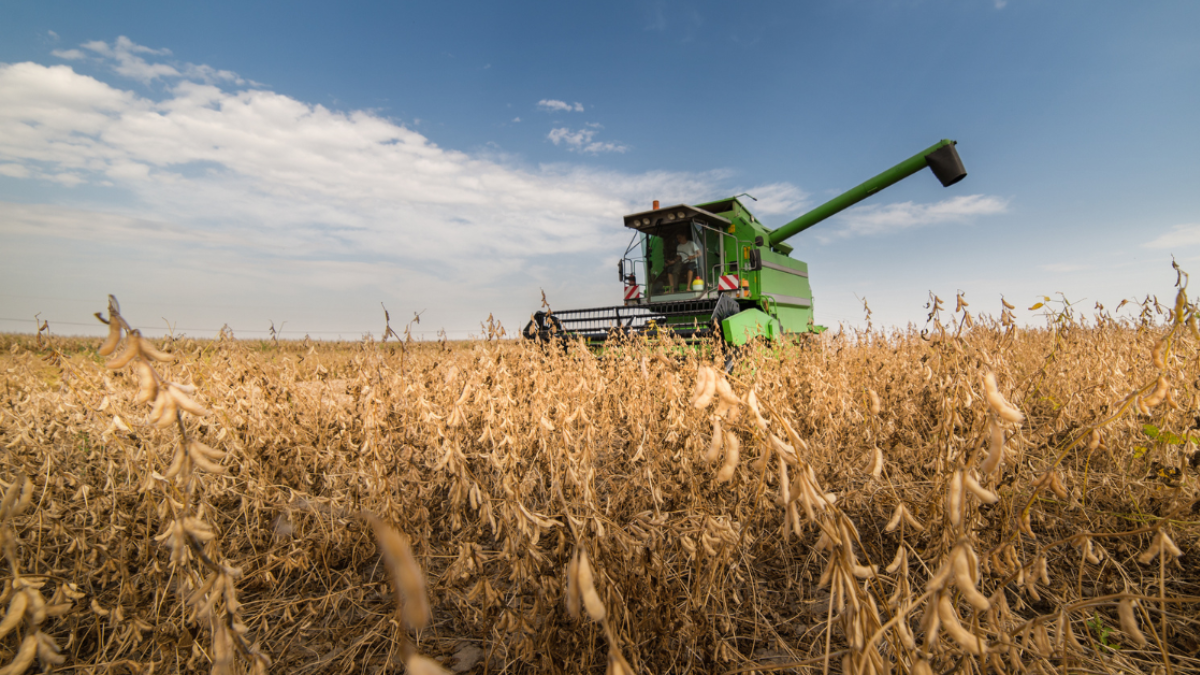
Field trials were conducted under no-till management conditions, following corn planting in the previous season. Soybean varieties ranged in maturity group from 0 to 3, planted in 30-inch rows between early May and mid-June. Researchers ensured treatment consistency by drilling cereal rye in corn stubble and chemically terminating it using glyphosate.
The results showed that cereal rye biomass varied significantly by location and termination timing. Some locations produced as much as 3,800 pounds of biomass per acre when terminated at soybean planting, while others produced under 890 pounds per acre. Factors such as planting date, local weather, and soil conditions influenced these variations.
Soybean yield, however, remained largely unaffected. Out of the 28 location-years, termination timing had no meaningful impact in 25 cases. The remaining three showed marginal differences, which were attributed to specific environmental factors, such as cold stress or excess rainfall rather than cereal rye biomass itself.
What This Means for Farmers
For farmers managing corn-soybean rotations with cereal rye, these findings provide flexibility. Since termination timing does not significantly affect soybean yield, farmers can base their decision on other priorities:
Weed Suppression
Delaying cereal rye termination can increase biomass, potentially improving weed control without sacrificing soybean yield.
Soil Health Improvement
Higher biomass contributes to long-term soil health benefits, including organic matter buildup and moisture retention.
Operational Efficiency
Farmers can schedule termination according to labor availability and equipment readiness rather than being constrained by concerns about yield impact.
Conclusion
Cereal rye is a versatile and valuable cover crop, offering multiple agronomic benefits for corn-soybean systems in the Midwest. The findings from this study reinforce that termination timing, whether before or at soybean planting, does not negatively impact yield, allowing farmers to make decisions based on weed suppression, soil conservation, and operational needs.
By leveraging these insights and continuing to monitor emerging research, farmers can optimize their cover crop strategies for both immediate productivity and long-term soil health.
Author: Shawn Conley, University of Wisconsin–Madison
Adapted from: Silva, T. S., Mourtzinis, S., McMechan, A. J., Carmona, G. I., Potter, B. D., Tilmon, K. J., Hesler, L. S., Seiter, N. J., Wright, R., Osborne, S., Hunt, T. E., & Conley, S. P. (2024). Cereal rye cover crop termination at or before soybean planting has minimal effect on soybean yield across the midwestern US. Field Crops Research, 312, 109393. https://doi.org/10.1016/j.fcr.2024.109393